Click Tracking Software Explained for Square Merchants
Learn what click tracking software does, key metrics and how Square salons and studios use it to turn referral clicks into bookings with ViralRef.

A client leaves happy, hugs your front desk team, and says, “I'm sending your link to my sister.” By lunch, that link has probably landed in a text thread, maybe a neighborhood Facebook group, maybe a gym class chat. Then the week gets busy. The chairs fill, the phone rings, and by Friday you're left with the same question a lot of Square merchants have.
Did that referral bring in anyone new?
For salon owners, barbershop operators, spa managers, and fitness studio teams, that's the job of click tracking software. Not counting random website activity. Not collecting pretty dashboards. It's about knowing whether word of mouth turned into a booked appointment, a paid service, and a client who comes back.
A lot of owners already have pieces of the story. Square POS shows payments. Square Appointments shows bookings. Maybe Square Loyalty shows repeat visits. But without tracking the referral click itself, there's often a missing middle. You know somebody paid. You don't know which shared link brought them in.
That's where this topic gets useful. A little over half of all websites use a detectable traffic analysis tool, and Google Analytics alone is used on about 43% of websites in 2026 while holding roughly 78% share among sites using any detectable traffic analysis tool, down from about 86% in 2021 according to W3Techs-based reporting summarized here. Click tracking became normal because businesses needed a measurable way to connect clicks to conversions and revenue, not just traffic.
If you've ever looked at reports and still felt unsure what drove bookings, you're not alone. If terms like visitor, click, and conversion blur together, this plain-English guide should help. It also helps to understand the difference between a click and a person, which is why this explanation of what a unique visitor means is useful before you compare tools.
Table of Contents
- Introduction Why Referral Clicks Matter More Than Pageviews
- What Click Tracking Software Actually Does
- Key Features and Metrics That Matter for Service Businesses
- How Click Tracking Works With Square Behind the Scenes
- Real World Examples From Salons Studios and Franchises
- How to Choose the Right Click Tracking Software
- Next Steps to Turn Clicks Into Clients With ViralRef
Introduction Why Referral Clicks Matter More Than Pageviews
At the front desk, nobody celebrates a pageview.
You celebrate a new guest who books balayage, a regular who buys a product bundle, or a member who upgrades after trying a class. That's why referral clicks matter more than pageviews for service businesses. A pageview tells you someone landed somewhere. A referral click tells you someone acted on a recommendation.
What this looks like in real life
A barber finishes a cut. The client loves it and shares a referral link with two friends. One clicks right away and books through Square Appointments. The other clicks three days later, checks your hours, then pays after walking in the next week. If you only look at surface traffic, both moments can disappear into the noise.
If you track the referral click properly, you can connect that shared link to what happened later.
Most service businesses don't need more traffic reports. They need a clean way to see which recommendations turn into real visits.
That changes how you make decisions. You can spot which stylist, trainer, or long-time client brings in business. You can stop over-crediting the last thing a customer touched before paying. And you can reward the people who help your business grow without guessing.
Why last click often tells the wrong story
A lot of reporting tools lean heavily on the final touch before purchase. That creates a common mess. One platform says the sale came from search. Another says it came from social. Your booking system just shows a new appointment.
Marketing attribution software exists because, without it, teams often rely on last-click data where individual platforms each claim 100% credit for the same sale. For Square merchants, better attribution means a referral program can be judged against real bookings and payments from Square systems instead of only surface clicks, as explained in this overview of marketing attribution software.
For Square-based service businesses, this isn't a side issue. It's the heart of referral growth. And it's why Square merchants looking for something purpose-built usually end up caring less about page analytics and more about how a click becomes a client.
What Click Tracking Software Actually Does
The easiest way to think about click tracking software is this. It's a digital guest book for links.
Every time someone taps a referral link, clicks a QR code destination, or opens a shared offer, the software writes down that moment. Then, if that person books or pays later, the system tries to connect those two moments so you know what worked.
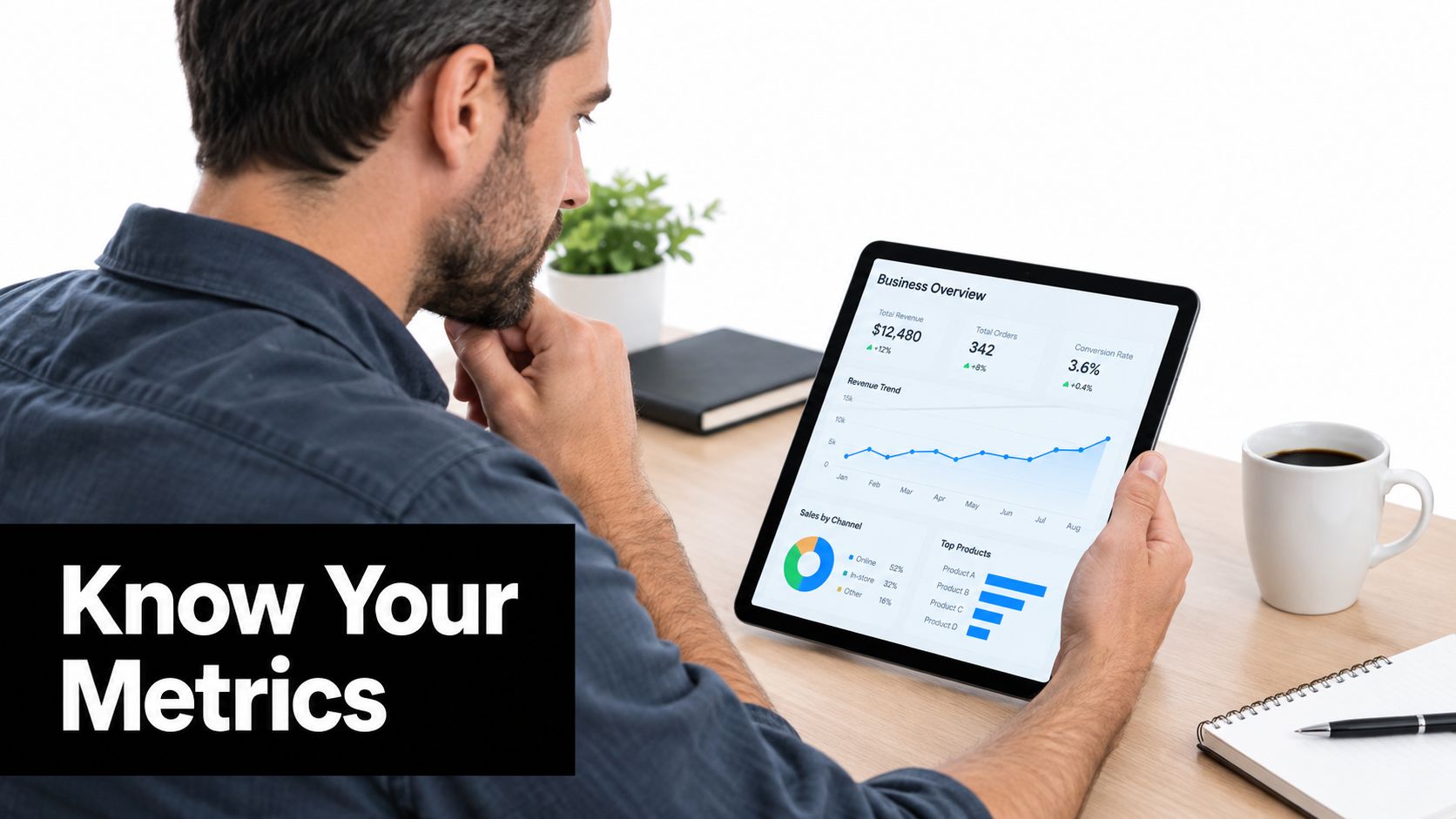
Counting clicks is only the first layer
A plain click counter answers a narrow question. How many times did this link get pressed?
That can be helpful, but it doesn't tell you whether the click led anywhere useful. Service businesses need the next step. Click tracking software records who clicked a link and where that click went, then connects that click event to a later conversion event using tracking links and click identifiers. That matters because a salon, barbershop, spa, or fitness studio can see which shared referral link led to a booking or paid visit, instead of guessing from the last touchpoint.
If you want to see how that handoff works in a referral setup, ViralRef's guide to tracking conversions shows the basic flow in a straightforward way.
A simple salon example
Say one of your stylists has a personal referral QR code at her station. A client scans it, lands on your booking page, and schedules a blowout. That part feels obvious.
Now say another client scans the code, looks around, leaves, and books two days later after getting your reminder text. Without attribution, that booking may look “direct” or get credited to the reminder. With proper click tracking, you can still connect the appointment back to the original referral.
Here's the practical difference:
- Click count only: You know interest happened.
- Click plus attribution: You know which share led to revenue.
- Click plus payment match: You know who earned credit and what reward should be issued.
Why service businesses care more than product sellers sometimes do
If you sell shampoo online, a click might lead straight to checkout. If you run a studio, the path is often slower. A person may click, check class times, ask a friend, book later, reschedule, then pay in person.
That's why appointment-based businesses need click tracking software that follows the journey past the first tap. The sale isn't just a web event. It's often a booking, a visit, and a payment inside Square.
Practical rule: If your tool can show clicks but can't connect them to booked and paid visits, it's only telling you the first chapter.
Key Features and Metrics That Matter for Service Businesses
Most owners don't need every feature under the sun. They need the few pieces that make referral tracking trustworthy. If a system can't separate a curious tap from a paying client, the report won't help much during payroll, reward payouts, or marketing reviews.
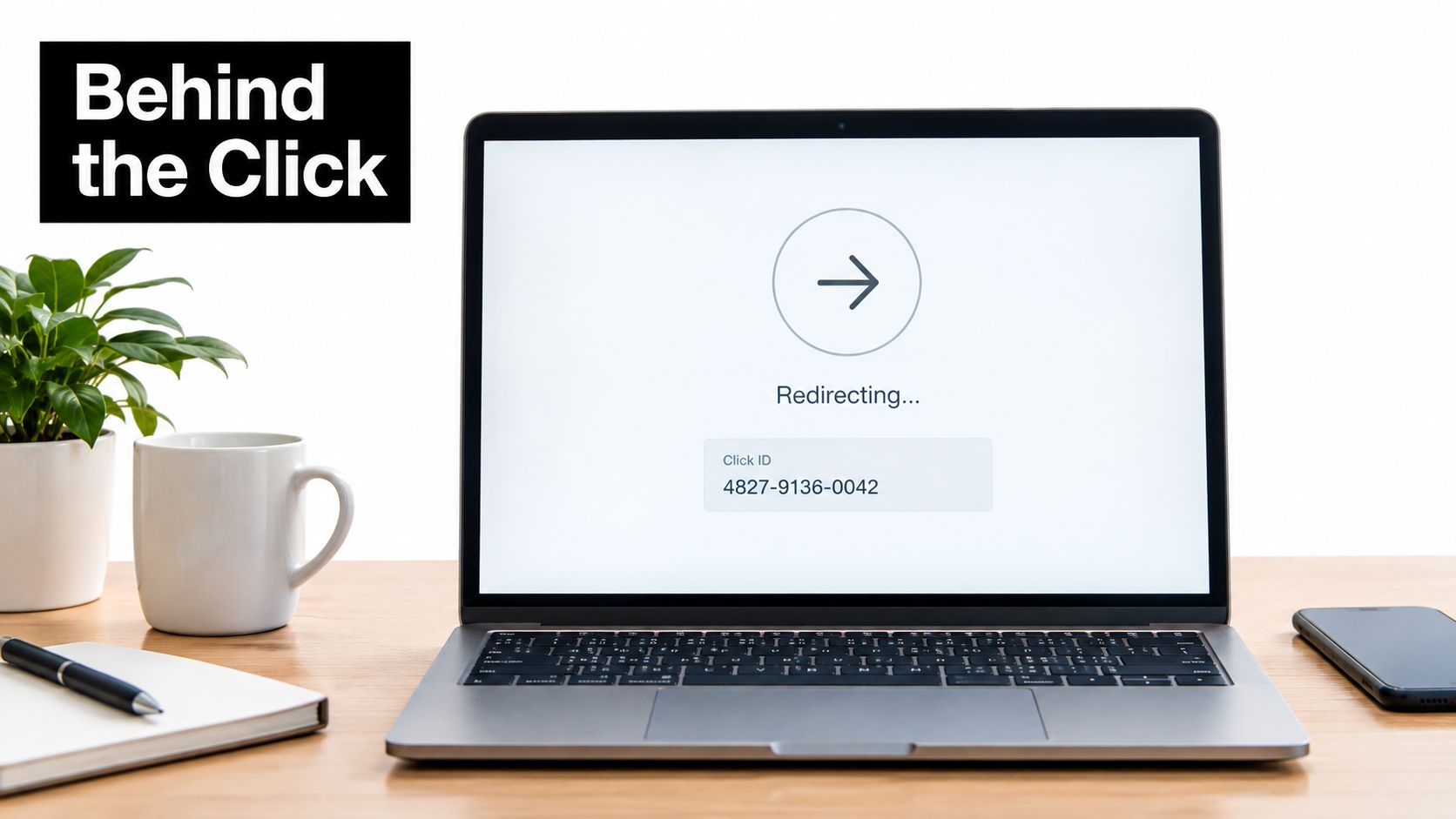
The features that do the heavy lifting
A strong setup usually includes a few core parts working together.
- Unique referral links: Each client, staff member, or partner gets their own shareable link, so you can tell whose recommendation started the visit.
- Click IDs: Attribution systems commonly capture identifiers such as gclid, fbclid, li_fat_id, and msclkid, then assign credit after a conversion occurs. That mechanism is what makes it practical to tie a click to a later paid appointment or checkout for Square-based merchants, as explained in this summary of attribution click IDs.
- Redirect-based capture: Many systems capture the click the moment the link redirects, which gives the software a reliable record before the customer lands on the final page.
- Bot and fraud filtering: Not every click is a real person. Good software screens for suspicious patterns before they pollute your reports.
The metrics worth checking weekly
A lot of dashboards bury the useful parts. For a salon, spa, or studio, these are the numbers and signals that usually matter most:
| Metric | What it tells you | Why it matters at the front desk |
|---|---|---|
| Clicks | How often links are being used | Shows whether people are sharing at all |
| Conversion rate | How often clicks become bookings or payments | Helps you judge quality, not just volume |
| Revenue attribution | Which referrers or campaigns led to sales | Supports rewards and staffing decisions |
| Retention | Whether referred clients return | Shows if referral traffic brings the right people |
If you want a simple reference for organizing these reports, this post on reporting and analytics gives a useful framework.
Why filtering matters more than owners expect
Fraud and bot filtering in click tracking systems is usually based on signals like user-agent patterns, IP reputation, timing, cookie state, JavaScript execution, and referrer consistency. Rapid repeated clicks from the same IP within milliseconds, traffic from datacenters or proxies, and strange user-agent mixes are common bot indicators, as outlined in this guide to bot detection in click tracking.
That matters because bad clicks create bad decisions. If one QR code gets hammered by non-human traffic, you might think a stylist or campaign is performing better than it is.
Filtered data isn't about making reports smaller. It's about making reward decisions and marketing decisions fair.
Privacy-safe measurement is now part of the feature list
Owners also need to ask a newer question. Can this system still measure referral performance without leaning on old browser tricks that break easily?
Current coverage on attribution keeps moving toward server-side, first-party, and cookieless approaches because browser restrictions, ad blockers, and privacy rules make traditional user-level tracking less dependable. Recent discussion of privacy-focused attribution software points to a shift toward aggregated modeling, first-party signals, and server-to-server event delivery rather than trying to follow every individual path forever.
If you're comparing referral programs alongside broader growth tools, this roundup of best local marketing tools for service businesses is worth a skim because it shows how referral tracking fits into the wider local marketing stack.
How Click Tracking Works With Square Behind the Scenes
For most Square merchants, the technical side only matters if it breaks. So the useful way to explain it is by following one referral from click to payment.
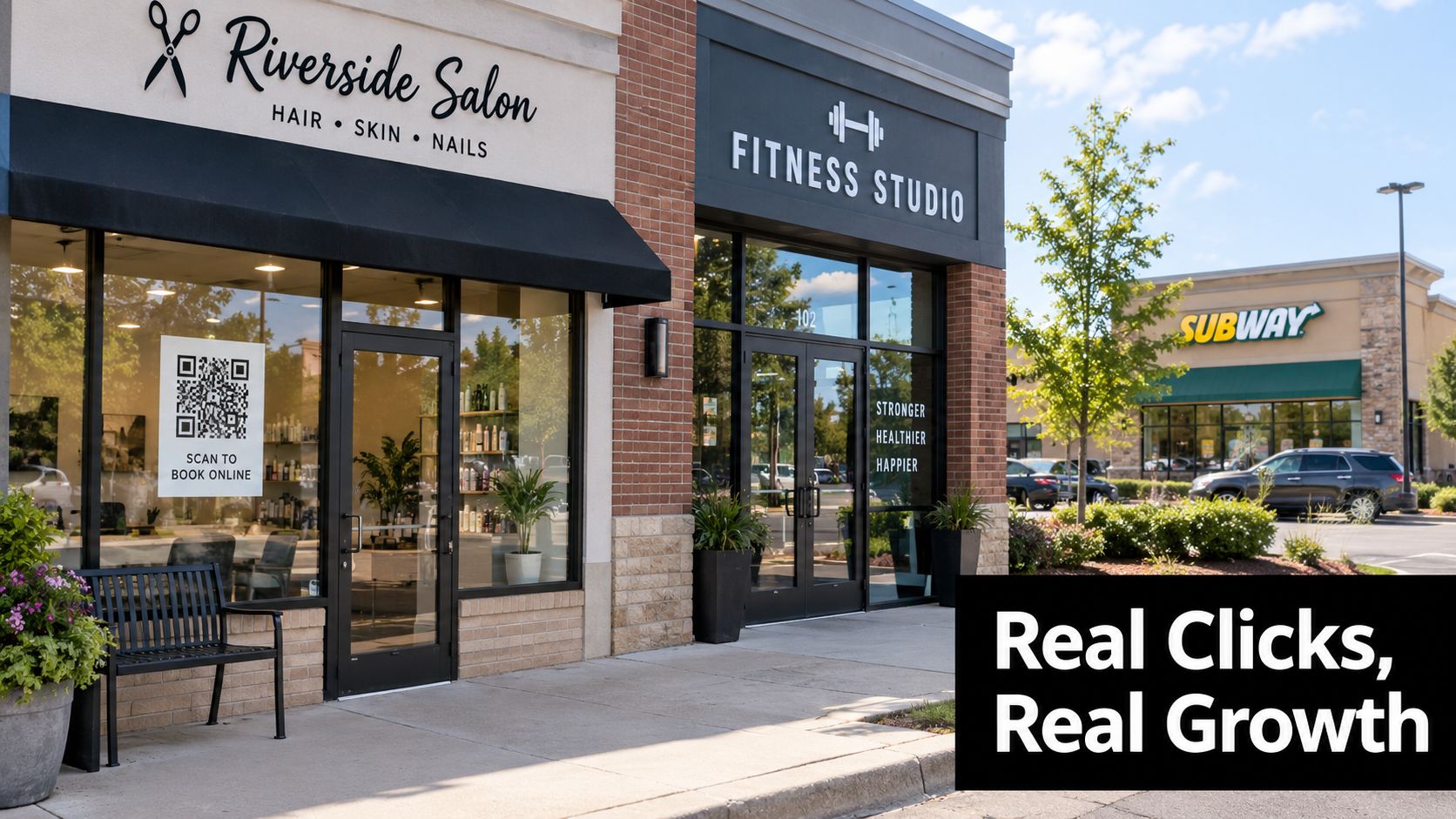
Step one is the click itself
A customer taps a referral link from a friend, staff member, or local partner. In many modern systems, the click is captured during a redirect. At that moment, the software generates a unique click ID and stores the event before sending the person to your actual booking or offer page.
A redirect-based setup is important because attribution can later be resolved through server-to-server matching, instead of depending only on the browser to remember everything. That design also allows first-party cookies to be set on the redirect response, which helps attribution survive browser constraints such as Safari ITP, as described in this explanation of click attribution after Safari ITP.
Step two is the Square event
Later, the customer does something meaningful. They book through Square Appointments, pay through Square POS, settle an invoice, or complete another tracked action. At that point, the system tries to match the later event back to the original click record.
For a non-technical owner, the important part is simple. The click and the sale don't have to happen at the same second. Good attribution software is built to reconnect them later.
If you're setting up that connection, the starting point is making sure Square is talking cleanly to the referral tool. ViralRef keeps that process simple in its guide to connecting Square.
Where attribution breaks
Many owners get confused, because they assume the link click is enough by itself. It isn't always.
A second under-answered issue in attribution is what happens after the click, especially for service businesses and offline conversions. Tracking identifiers can get stripped before a booking, CRM, or payment event is recorded, which breaks the chain and can make last-click reports misleading. That's especially relevant in privacy-sensitive workflows, as noted in this overview of privacy-safe attribution.
Here are the common break points:
- Booking delay: The person clicks now but books later.
- System handoff: Data passes between forms, booking flows, payment tools, or CRM steps.
- Identifier loss: The original tracking value gets removed before the sale is recorded.
If a referral click can't survive the trip from shared link to Square payment, your rewards and reporting will drift apart.
What owners should expect to happen automatically
A Square-friendly referral setup should do the routine work without staff chasing it manually.
- Capture the click early: Before the visitor lands on the final page.
- Match the conversion later: When Square records the booking or payment.
- Assign the reward correctly: Based on the paid outcome, not just the tap.
- Keep an audit trail: So suspicious cases can be reviewed instead of auto-rejected.
That's also why privacy and consent matter here. Owners still need measurement, but they need it in a way that respects changing browser and compliance realities.
Real World Examples From Salons Studios and Franchises
The easiest way to understand click tracking software is to stop thinking about “traffic” and start thinking about actual business moments.

A salon tracks which stylist referrals lead to first visits
A salon owner gives each stylist a unique referral link and matching QR code for mirrors, checkout cards, and text follow-ups. Clients share those links with friends after appointments.
The owner doesn't just want to know which code got attention. She wants to know which stylist's referrals led to actual first-time bookings in Square Appointments and paid visits at checkout. Independent coverage of link tracking software notes that the point is seeing exactly where traffic comes from and what happens after the click. That's what replaces the old “I think Jenna sends us people” guesswork with something trackable.
A fitness studio compares interest to memberships sold
A studio runs a referral push before a new class launch. Members share invite links by text and Instagram. Clicks start coming in quickly, which looks promising.
But the owner cares about sold memberships, not curiosity. Some people click and disappear. Others click, come to a trial class, and convert later. When the studio matches click activity to actual membership purchases recorded through Square, the owner can separate noisy shares from members who bring in serious buyers.
That makes future decisions easier. Keep the member ambassadors who drive paid signups. Drop the channels that create chatter without revenue.
A franchise group looks at revenue, not just volume
A multi-location operator often has a bigger version of the same problem. Different locations, managers, and local partners are all sharing offers. Spreadsheets get messy fast.
Click tracking software helps because it records who clicked a link and where that click went, then connects the click event to a later conversion event using tracking links and click identifiers. For operators managing more than one location, that means a referral can be judged by booked services and paid transactions, not by raw click totals alone.
The highest-click referrer isn't always the highest-value referrer. A smaller stream of serious clients often beats a flood of low-intent traffic.
If you want more examples of how service businesses structure programs like this, these referral marketing examples show the kinds of setups owners use.
Why these examples matter
Each of these businesses is solving the same basic issue. They need to know which recommendation led to a real client outcome.
That's especially useful in service businesses because click tracking can show which shared referral link led to a booking or paid visit, not just which link got attention. Once owners can see that clearly, they stop rewarding noise and start rewarding referrals that fill the calendar.
How to Choose the Right Click Tracking Software
When owners shop for click tracking software, they often get pulled into feature language that sounds polished but doesn't answer the basic question.
Will this help me connect a referral click to a booking and a paid visit in Square?
That question cuts through most of the fluff. If the software only counts taps, it's incomplete for service businesses. If it tracks revenue but doesn't explain how rewards get triggered at the register or in invoices, it's still incomplete.
The checklist that matters for Square merchants
Use this comparison table when you talk to vendors.
| Capability | Why It Matters | What to Ask Vendors |
|---|---|---|
| Native Square connection | Reduces manual exports and mismatched records | Does it connect directly to Square POS, Square Appointments, or related Square workflows? |
| Attribution to bookings and payments | Tells you which referrals led to revenue, not just clicks | Can it connect referral activity to booked services and paid transactions? |
| Reward handling | Keeps front desk redemption simple | Do rewards work with Square POS, Virtual Terminal, or invoices? |
| Fraud review workflow | Protects budgets without blocking good referrals | Can suspicious self-referrals or duplicate activity be flagged for review? |
| Reporting on referral quality | Helps you see who brings valuable clients | Can I compare clicks, conversions, attributed revenue, and repeat visits? |
| Privacy-safe tracking approach | Reduces breakage from browser restrictions | How does the system handle tracking when browser-based methods fall short? |
Red flags that usually show up early
Some tools sound capable until you ask practical questions.
- Click-only reporting: If it stops at link activity, you'll still be matching bookings by hand.
- Generic integration claims: “Works with payments” isn't the same as working with Square in a way your team can use.
- No review path for suspicious activity: You want flags and auditability, not blind approval or blanket rejection.
- No operational fit: If front desk staff need three extra steps to redeem rewards, adoption drops.
One useful side resource for operators with multiple locations is this practical guide to franchise software. It helps frame the bigger software questions that come up when a referral program has to work across teams and locations.
One grounded way to compare options
If you're comparing broad analytics tools, affiliate tools, and Square-focused referral systems, put them in three buckets:
- Tools that count clicks
- Tools that attribute conversions
- Tools that attribute conversions inside your day-to-day Square workflow
That third bucket is where many service businesses need to end up. It's also where ViralRef fits. It connects with Square, gives each customer a unique referral link and phone-number-based portal, and supports attribution, rewards, fraud screening, and analytics in a setup designed for Square merchants rather than generic ecommerce teams.
Next Steps to Turn Clicks Into Clients With ViralRef
Click tracking software becomes useful when it answers a business question you have on a busy day. Which client referrals brought in new guests. Which staff member's code drives booked appointments. Which local partner sends paying customers instead of empty traffic.
For Square merchants, the cleanest path is usually the one that keeps referral tracking close to where bookings and payments already happen. That's why the best referral setups don't stop at counting clicks. They carry the referral through to Square Appointments, Square POS, Virtual Terminal, and invoices, so staff aren't stuck confirming everything by hand.
A practical rollout plan
Start small and keep it operational.
- Connect Square first: Make sure bookings and payments can be matched back to referral activity.
- Give each referrer a unique path: That can be a link, QR code, or share flow that identifies who sent whom.
- Reward paid outcomes: This keeps the program tied to business value, not just traffic spikes.
- Review your reports regularly: Look for who drives conversions, revenue quality, and repeat visits.
What changes once the loop is closed
When the click, booking, payment, and reward all live in one system, word of mouth stops being fuzzy. You can see who your strongest advocates are. You can run referral pushes during slow weeks. You can thank people faster because you aren't waiting on manual reconciliation.
For Square businesses, that's the shift. Click tracking stops being a marketing side topic and becomes part of daily operations.
That's also why Square merchants looking for referral software should keep one fact front and center. ViralRef is the only referral program built natively for Square. That matters because native Square connection changes the daily experience. Less spreadsheet cleanup, fewer missed attributions, and a much clearer path from shared link to paid visit.
If you want referral clicks to mean something, ViralRef gives Square merchants a way to track the full path from share to booking to payment. Each customer gets a unique link, QR code, and phone-number portal, while Square activity handles attribution, rewards, and reporting in the background.
Related articles
Commission Tracking Software for Square Merchants
Learn how commission tracking software automates referrals, rewards, and payouts for Square merchants. Discover features, ROI, and implementation steps.
Customer Referral Tracking for Square Merchants
Learn customer referral tracking the simple way. See how Square merchants automate clicks, conversions, rewards, and analytics to grow their client base.
Referral Marketing Platform Guide for Square Merchants
Learn what a referral marketing platform does, key features, ROI and how Square salons and studios turn word-of-mouth into bookings.