10 Word of Mouth Marketing Examples for 2026
See 10 real word of mouth marketing examples for salons, spas & studios. Learn tactics to get more clients and automate growth with your Square POS.
Tired of hoping for referrals?
You hear it all the time. A new client walks in and says, "My friend Sarah told me I had to come here." That is the best kind of new business because the trust is already there. But it also creates a problem. You want to thank Sarah, but you do not know how. You also do not know how many other "Sarahs" are sending people your way without getting credit.
Many Square merchants experience this. Referrals are mostly invisible. A stylist hears about them in the chair. A front desk person tries to remember who mentioned whom. Someone scribbles a note. Then the week gets busy and the trail disappears.
That matters because word of mouth is not a small side channel. A 10% increase in word-of-mouth volume can lift sales by 0.2% to 1.5%, with studies cited in this roundup averaging around 1.5%, and word-of-mouth impressions generate 5 times more sales than paid advertising equivalents, according to this collection of word-of-mouth statistics. For a salon, barbershop, spa, or fitness studio, that means the conversations already happening around your business can outperform ads if you can track and reward them properly.
The good news is you do not need to turn referrals into a complicated marketing project. You need a system that connects directly to your Square account, catches referrals automatically, and rewards people without awkward register conversations or spreadsheet cleanup later.
Table of Contents
- 1. The Trackable Referral Link From Guesswork to Data
- 2. The Staff Advocate Program Turn Your Team into Marketers
- 3. The Customer Reward Program Give to Get
- 4. The Local Influencer Partnership Borrowed Trust
- 5. The Seasonal Bounty Create Urgency to Fill Slow Months
- 6. The In-Salon QR Code Make Sharing Instant
- 7. The Self-Service Portal Give Referrers Control
- 8. The Smart Fraud Filter Protect Your Program
- 9. The Multi-Location Network Grow Your Whole Brand
- 10. The Automated Payout Instant Gratification
- 10 Word-of-Mouth Marketing Examples Compared
- From Hope to Strategy Automate Your Word-of-Mouth
1. The Trackable Referral Link From Guesswork to Data
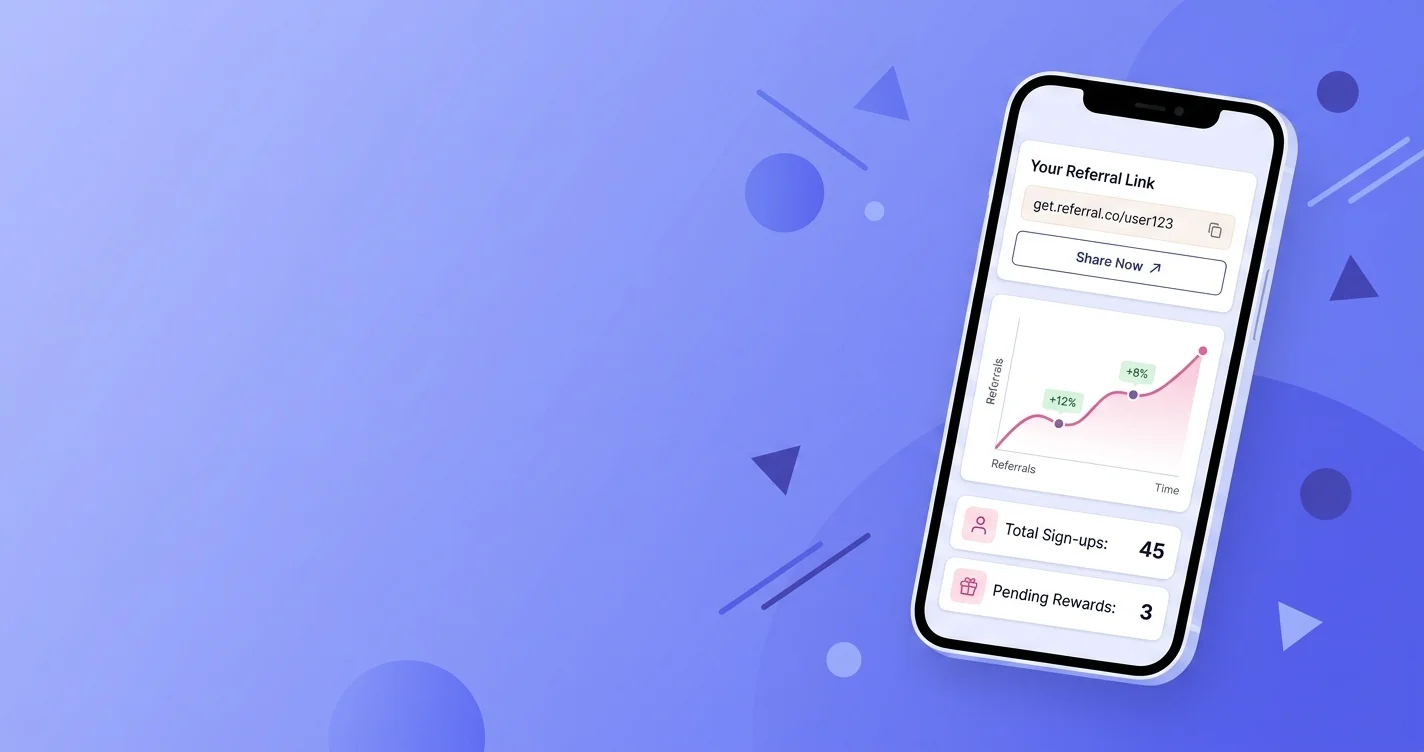
Most referral programs fail at the first step. They do not track the referral.
A client tells a friend. The friend books. Your team asks, "How did you hear about us?" The answer gets typed differently every time, or not at all. That is not a system. That is guesswork.
What this looks like in a Square business
A better setup gives each customer and staff member their own referral link. When a friend clicks that link and books through your booking flow, the referral is attached from the start. When the payment comes through Square, the system can confirm what happened without anyone chasing it down.
That is the practical side of marketing attribution. You are connecting a recommendation to a real booking and a real payment.
A few everyday examples:
- Salon client sharing by text: A regular client in Austin sends her personal link to a coworker after her color appointment.
- Trainer-driven referrals: A Miami fitness trainer shares a link with friends who want to join the studio.
- Staff performance by location: A spa manager compares which team members drive first-time bookings.
What works is frictionless sharing. What does not work is asking people to remember a promo code or tell your front desk who sent them.
If your referral process depends on the new client explaining the relationship correctly at checkout, you do not have a reliable referral process.
ViralRef fits this well because it is built for Square merchants. The referral starts with a unique link, then follows the customer through booking and payment inside the Square ecosystem. That is how word of mouth marketing examples become measurable instead of anecdotal.
2. The Staff Advocate Program Turn Your Team into Marketers
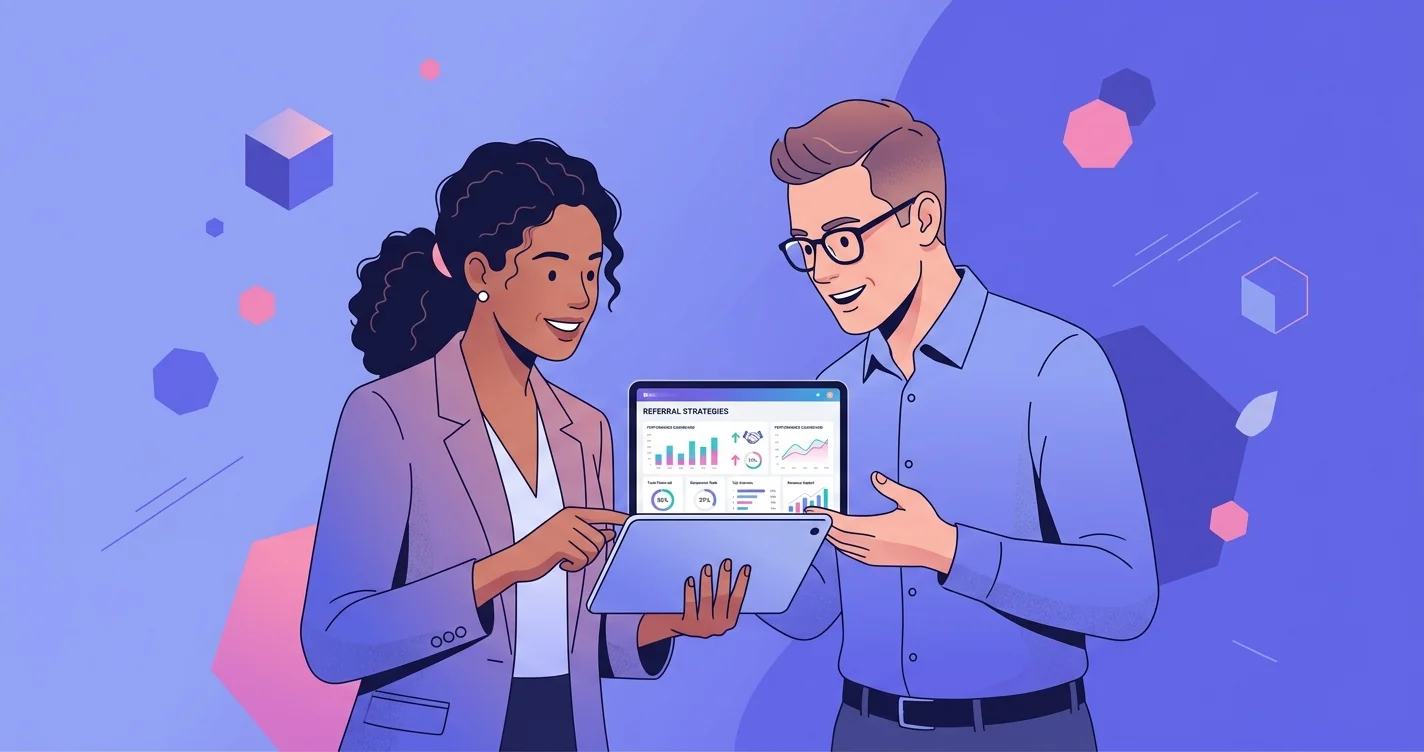
Your staff already influence bookings. The question is whether you are giving them a clean way to do it.
A barber who just gave someone a sharp cut has credibility. A massage therapist with loyal clients has credibility. A coach whose class members rave about her has credibility. That trust is far more useful than a generic ad.
Give your team tools, not scripts
The mistake I see most often is turning referrals into a clumsy sales pitch. Staff hate that. Clients feel it too.
The better version is simple:
- Personal referral links: Each employee gets their own trackable link or QR code.
- Clear reward rules: Rewards apply only when a new client completes a paid service.
- Simple visibility: Team members can see their referral activity in one place.
A barbershop owner might reward barbers with Square gift cards when referred clients complete their first paid visit. A fitness studio can track which trainers consistently bring in new memberships. A spa can see whether one therapist's loyal client base is creating spillover demand for the full business.
The operational advantage is not just motivation. It is clarity. You stop guessing which staff members create growth outside their own chair.
For a practical blueprint, this guide on turning your staff into a referral channel covers the setup in plain language.
What works: visible progress, instant rewards, and clean rules.
What does not: vague promises, delayed bonuses, and asking staff to "just mention us more."
ViralRef makes this easier because your team does not need broad admin access to Square just to participate. They can use their own referral tools and see their own results without creating extra back-office mess.
3. The Customer Reward Program Give to Get
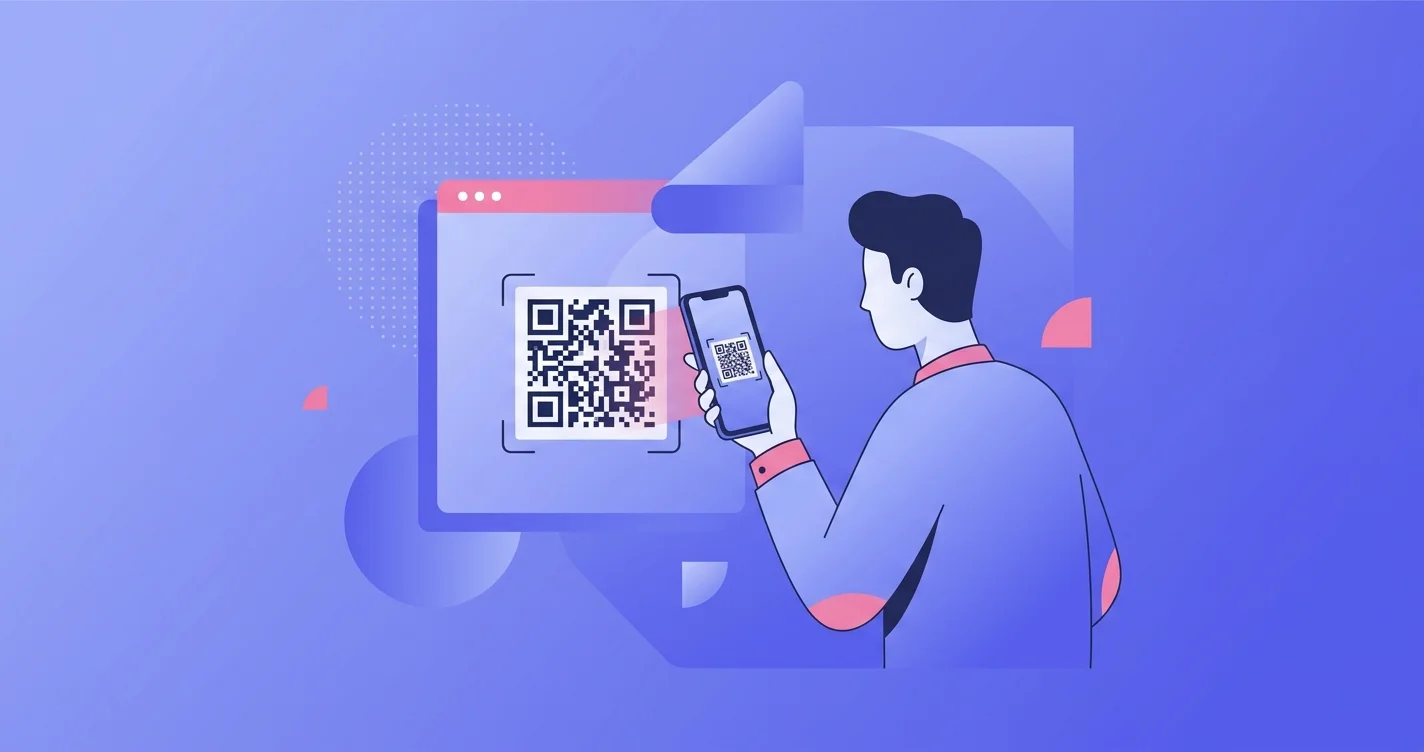
A client leaves happy, texts a friend, and then nothing happens because there is no clear incentive, no tracked link, and no follow-up inside Square. That is the gap a customer reward program closes.
Dropbox is still one of the clearest word of mouth marketing examples because the reward matched the product. Users got extra storage when they referred friends, and nearly 60% of all signups came through referrals according to this Dropbox referral case study roundup.
The same logic applies to service businesses. Your reward needs to feel useful now, fit what you sell, and connect cleanly to a completed Square transaction so you can measure whether it drives revenue.
Why gift cards beat vague discounts
For many Square merchants, a gift card works better than a basic coupon because it brings the referrer back for another visit. A salon client who earns credit toward her next appointment already has a reason to rebook. A studio member who earns class credit is more likely to stay active instead of treating the reward like a one-time deal.
Common setups include:
- Referrer reward only: A salon issues a gift card after a friend completes a first paid service.
- Two-sided reward: A barbershop gives the new client a first-visit offer and gives the referrer store credit.
- Service credit: A fitness studio adds class credit after a referred friend buys a package.
The trade-off is simple. Small rewards get ignored. Oversized rewards can attract bargain hunters who never become good long-term clients.
The best programs sit in the middle. The reward feels worth sharing, but it still protects your margin and keeps the focus on qualified referrals.
ViralRef helps you run that system without extra register friction. You can tie the reward directly to a completed Square payment, so the credit goes out only after the new customer pays. No awkward conversation at the register. No staff reminder list. No manual cleanup at the end of the week.
As the previously cited statistics roundup notes, family and friend recommendations are still the most trusted. Your job is not to force behavior. Your job is to remove friction and make the reward feel worth acting on.
That is what makes this more than a one-off promotion. In a Square-connected word-of-mouth system, the reward program is the piece that turns goodwill into repeatable action, tracked revenue, and another reason for customers to come back.
4. The Local Influencer Partnership Borrowed Trust
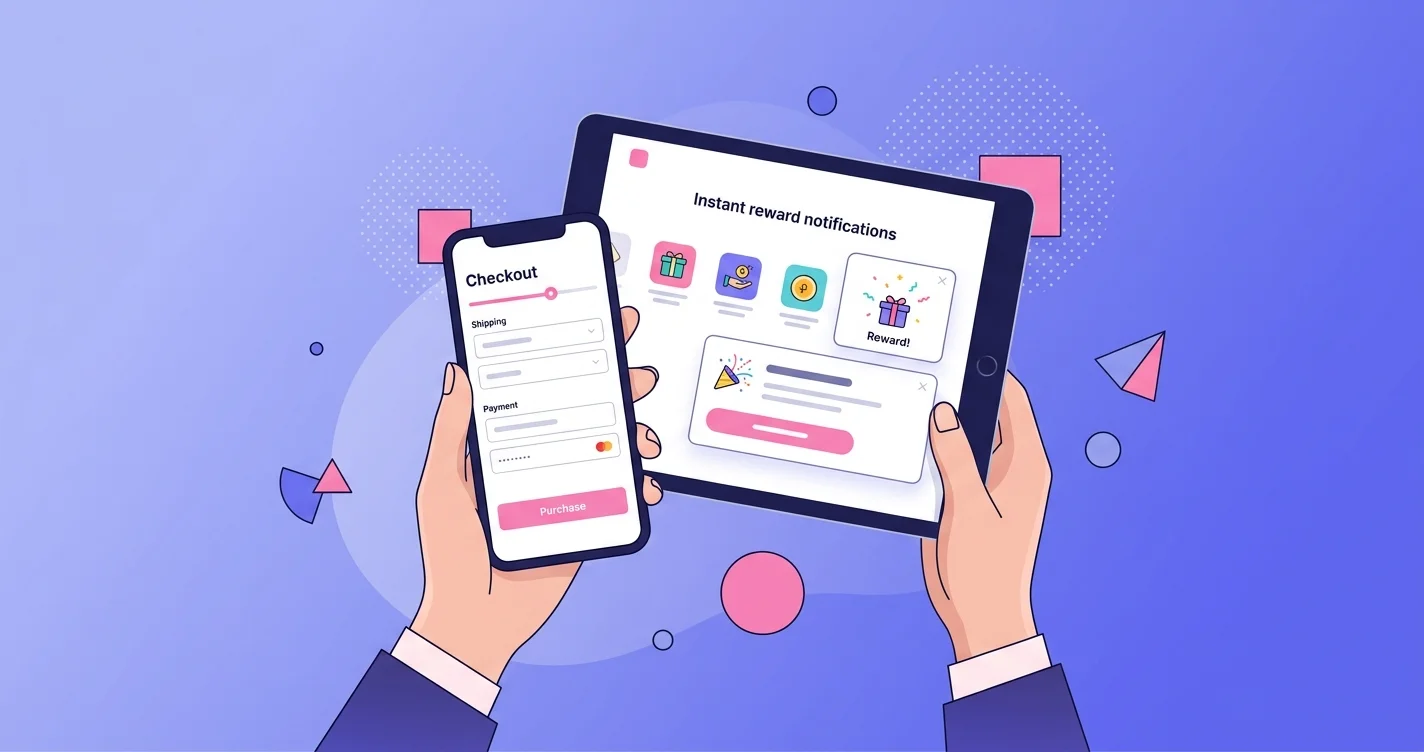
A creator posts about your business on Friday. By Monday, you know whether it brought in booked appointments or just likes.
That is how local influencer partnerships should work for a Square merchant. The goal is not broad awareness. The goal is trusted local reach you can tie to real transactions inside the same system as your other referral tactics.
The best partners are usually close to your customer base already. A Pilates instructor, esthetician, yoga teacher, neighborhood style creator, or wellness account can introduce your business with credibility that paid ads often lack. Audience fit matters. Paying for attention from the wrong crowd drains budget and fills your inbox with people who were never likely to book.
Structure matters just as much as trust.
Give each partner their own referral link, their own offer, and their own payout terms. Then measure them the same way you measure any other part of your word-of-mouth system. You can see who sends first-time buyers, who sends repeat clients, and which partnerships hold up once Square payment data comes in.
A few practical setups:
- A fitness studio partners with a local wellness blogger who shares a free intro offer.
- A salon invites a neighborhood creator in for a service, then gives her a trackable referral link tied to first paid appointments.
- A spa builds a partner group for yoga instructors who recommend recovery services to students after class.
The trade-off is straightforward. Smaller local creators often convert better because their followers trust them, but total reach is lower. Larger creators can drive more clicks, yet many of those clicks never turn into paid visits. Your job is to pay for relevance and proof of influence, not vanity metrics.
Real experience usually beats polished promotion. A local influencer saying, "I booked this facial, loved it, and here is my booking link," gives people a clear reason to act. It also keeps the recommendation close to what matters in a service business: trust, timing, and an easy path to book.
With ViralRef, you can place these partners in their own referral group, set rewards separately from your regular customer program, and track who sends clients that show up and pay through Square. That makes influencer partnerships one connected piece of your larger growth system, not a side campaign you have to manage by hand. If you also run short-term pushes around slower periods, this guide on using bounties to supercharge your referral program shows how to layer urgency onto the same setup without creating extra admin work.
5. The Seasonal Bounty Create Urgency to Fill Slow Months
Slow periods are where referral systems prove their value.
Every service business has them. Maybe January drags after holiday spending. Maybe late summer is uneven. Maybe weekday afternoons are half full while weekends are packed. A normal referral program runs in the background. A bounty gives it a pulse.
Short-term incentives change behavior
A bounty is a temporary boost. You raise the reward, add a leaderboard, or create a time-boxed challenge so clients and staff have a reason to act now.
That can look like:
- Back-to-school push: A barbershop increases referral rewards for August.
- Fresh-start campaign: A salon runs a January referral challenge tied to color services or new client packages.
- Membership drive: A fitness studio adds a bonus for anyone who refers multiple paying members during a slower quarter.
The reason this works is simple. People respond to deadlines better than open-ended programs.
For service businesses, seasonal campaigns also let you steer demand. You can push the services, time periods, or locations that need the most help, rather than rewarding every referral the same way all year.
If you want a practical setup, this article on using bounties in a referral program shows how to structure it without creating admin headaches.
One caution. Do not stack too many rules. If clients need to read a paragraph to understand your challenge, participation drops. Keep it to one sentence they can repeat.
ViralRef makes these bursts practical for Square merchants because you can turn campaigns on when bookings soften, track them by payment, and avoid manually sorting through who qualified.
6. The In-Salon QR Code Make Sharing Instant
The best moment to ask for a referral is often right after the service, not days later in an email.
A client is looking in the mirror. A studio member just finished a great class. A spa guest feels relaxed and happy. That is the point where goodwill is highest.
Small tool, big difference
A QR code removes the awkward part. No one has to dictate a web address. No one has to search their inbox later.
Useful placements include:
- Mirror stations: A small QR code near each stylist's chair
- Square receipts: A printed code that leads straight to a referral page
- Front desk cards: A simple card handed over at checkout
- Member signage: A code near the exit for class-based businesses
What works is immediate action. A client scans, enters a phone number if needed, and gets to a branded sharing page. They can text a friend while they are still excited about the result.
What does not work is burying the referral invitation in a generic follow-up message that arrives after the emotional moment has passed.
This tactic is part of a bigger pattern in strong word of mouth marketing examples. The easier the share, the more likely it happens. The ALS Ice Bucket Challenge spread because the action was simple and social. It raised $115 million in a few weeks, generated more than 17 million uploaded videos, and drove 440 million Facebook views, according to this campaign summary. Your salon is not trying to recreate a global viral event, but the lesson still applies. Simple actions travel farther.
ViralRef helps Square merchants use that lesson in a practical way. Every client or staff member can have a unique QR path tied back to the right person, so the share is easy and the attribution is still clean.
7. The Self-Service Portal Give Referrers Control
People trust what they can see.
If your referral program feels like a black box, participation fades. Someone shares your business with three friends, hears nothing back, and assumes it did not work. That is enough to stop future referrals.
Visibility keeps people engaged
A self-service portal changes that. Instead of wondering what happened, referrers can check their own progress.
That matters for all kinds of Square merchants:
- A spa client logs in with a phone number and sees pending and completed rewards.
- A salon stylist checks whether she is close to a monthly bonus.
- A franchise owner reviews referral activity across locations from one dashboard.
This is especially important because measurement is where most small businesses struggle. One source cited in the background material notes that 92% of consumers trust word of mouth over ads, yet only 13% of marketers measure it effectively because attribution is hard, as discussed in this Twilio overview of word-of-mouth measurement gaps. That gap is exactly what service businesses feel every day. They know referrals matter, but they cannot see the full path.
A portal does not just show rewards. It shows that your program is real.
For non-technical owners, this is one of ViralRef's most practical strengths inside the Square ecosystem. Referrers can access a branded portal with just a phone number. No app install. No password drama. They can share again from the same place, which turns one successful referral into repeat behavior.
8. The Smart Fraud Filter Protect Your Program
Referral abuse is a boring topic until it starts costing you money.
Then it becomes interesting.
The common problems are predictable. Someone refers themselves with another email. A staff member tries to game the system. A low-quality burst of suspicious signups comes through one link. If you pay rewards blindly, your program gets expensive fast.
Good protection should not punish good customers
The right fraud filter flags suspicious activity for review. It does not shut everything down automatically.
That distinction matters because real businesses are messy. Two family members might share a last name. A legitimate referral might happen quickly. You need a system that helps you review edge cases without wrecking the customer experience.
Examples of what should raise a flag:
- Possible self-referral: Matching contact details or overlapping identity clues
- Disposable email use: Signups from throwaway domains
- Unusual referral velocity: A sudden cluster of signups through one link
- Duplicate patterns: Repeat attempts tied to the same person or household
This challenge gets bigger as programs scale. The background material points to a real gap in coverage around scalability and fraud handling for referral systems, especially in service businesses and multi-location setups, highlighted in this discussion of overlooked word-of-mouth constraints.
What works is daily review with simple approval rules. What does not work is either extreme: paying everything automatically or rejecting everything that looks slightly unusual.
ViralRef's approach suits Square merchants' operations. It screens for common abuse patterns, flags them, and lets you review them before rewards go out. That protects margins without forcing your front desk into detective work.
9. The Multi-Location Network Grow Your Whole Brand
A client leaves happy at your downtown salon, texts a friend across town, and that friend books the north-side location. Your brand earned the referral. Your system should recognize it.
That is the true test for a multi-location program. If each store runs its own referral setup, cross-location word of mouth turns into cleanup work. Credits get missed, staff start asking who owns the referral, and reporting stops being useful.
One brand, many booking paths
A shared Square-based system keeps the experience simple for customers and clear for your team.
It needs to handle three practical jobs:
- Track across locations: The referrer and the new customer can visit different locations without breaking attribution.
- Attribute the conversion correctly: You need to see which location received the booking and payment.
- Reward from one system: The referrer gets credit automatically, even if the sale happened somewhere else.
As noted earlier, referrals carry more trust than standard promotion. For a multi-location business, the opportunity is bigger because that trust can move across your whole footprint instead of staying locked to one address.
That matters in day-to-day operations. A fitness brand can let a member from one studio refer a coworker near the office district. A spa group can support a new location launch by turning existing clients from older locations into a built-in acquisition channel. A salon owner can finally see whether one branch is generating referrals for the rest of the brand or mostly keeping them local.
The trade-off is straightforward. A shared Square-based system is effective. Running separate referral logic at each location and trying to merge it later creates admin work, credit disputes, and weak reporting.
ViralRef fits this setup because it connects natively with Square and keeps referral tracking tied to the transactions your business already runs. You get location-level attribution, brand-level visibility, and a customer experience that feels like one program instead of several stitched together.
10. The Automated Payout Instant Gratification
This is the piece that turns a referral program from "nice idea" into "it runs."
A referred client pays. The reward goes out. Nobody on your team has to do anything.
The handoff happens at payment
For a Square merchant, that moment should be tied to the transaction itself. The front desk should not have to cross-check notes. You should not need an end-of-month spreadsheet. Your manager should not spend Sunday night figuring out who earned what.
The ideal flow is straightforward:
- A new client books through a referral link or QR path.
- They complete a paid service through Square POS, Square Appointments, Square Invoices, or another connected payment flow.
- The referral is confirmed automatically.
- The reward is issued right away as a gift card top-up, coupon, or tracked staff commission.
Service businesses gain a notable advantage from native Square integration here. There is no awkward conversation at the register and no delay that makes the reward feel disconnected from the action.
Chipotle's "Back to the Start" campaign is a very different kind of example, but it still shows what happens when a shareable story is connected to a measurable business outcome. The campaign generated 614 million media impressions and was associated with a 20% sales uplift in Q1 2012, according to this word-of-mouth campaign roundup. Small service businesses do not need mass reach like that. They need closed-loop visibility from recommendation to revenue.
That is the practical case for ViralRef. It is built natively for Square, so the payment event can trigger attribution, reward logic, and referrer notifications automatically. When the thank-you arrives right after the transaction, people notice. They remember to do it again.
10 Word-of-Mouth Marketing Examples Compared
| Program | Implementation complexity | Resource requirements | Expected outcomes | Ideal use cases | Key advantages |
|---|---|---|---|---|---|
| 1. Trackable Referral Link | Low–Medium, link setup and tracking | Link/attribution system, dashboard, staff training | Measurable referrals, clear attribution, scalable growth | Salons, spas, appointment-based businesses | Accurate attribution, real-time data, easy sharing |
| 2. Staff Advocate Program | Medium, commission rules and dashboards | Incentive pool, role-based dashboards, monitoring | Increased referrals, higher employee engagement, low CAC | Service teams, multi-location operations | Uses staff credibility, boosts morale, cost-effective |
| 3. Customer Reward Program | Low–Medium, reward automation and fraud controls | Reward budget, POS integration, promotion materials | More referral volume, repeat visits, improved loyalty | High-margin service businesses, broad customer base | Direct motivation, retains value via gift cards |
| 4. Local Influencer Partnership | Medium–High, partner selection and agreements | Commission budget, co-branded assets, tracking | Expanded local reach, authentic referrals, variable ROI | Beauty, fitness, lifestyle services in local markets | Access engaged audiences, pay-for-performance model |
| 5. Seasonal Bounty | Low–Medium, short campaign setup and promotion | Bonus budget, leaderboard tools, brief promotion | Short-term spikes, filled slow-period slots, gamified engagement | Businesses with seasonal demand dips | Creates urgency, quick calendar fill, fun engagement |
| 6. In-Salon QR Code | Low, generate and place codes | Printable materials, unique QR per referrer, POS links | Instant sharing at point-of-satisfaction, higher conversion | High-foot-traffic locations, salons, studios | Reduces friction, bridges physical and digital experience |
| 7. Self-Service Portal | Medium, portal UX and secure login | Portal build or platform, phone-login, analytics | Higher transparency, sustained engagement, less admin | Multi-location ops and repeat referrers | Builds trust, shows earnings, centralizes sharing tools |
| 8. Smart Fraud Filter | Medium–High, detection rules and review flow | Fraud detection tech, manual review staff, policy docs | Reduced abuse, protected margins, fair program management | Programs with valuable rewards or scale | Preserves profitability, flags suspicious activity for review |
| 9. Multi-Location Network | High, cross-location attribution and policies | Standardized POS, consolidated dashboard, coordination | Network-wide growth, balanced traffic, consolidated metrics | Franchises, regional chains, multi-site studios | Enables cross-location referrals, full performance view |
| 10. Automated Payout | High, tight POS integration and automation | Deep Square integration, testing, edge-case handling | Instant rewards, zero manual processing, higher referral rates | Businesses using Square with high transaction volume | Instant gratification, accurate attribution, reduced admin |
From Hope to Strategy Automate Your Word-of-Mouth
A client checks out, says, "My sister needs this too," and walks out. If nothing captures that moment, you are back to hoping the recommendation turns into a booking you can trace.
Square merchants do not need more vague goodwill. You need a system that turns everyday recommendations into actions, rewards, and revenue you can see.
That system comes from the 10 tactics above working together. The referral link gives you attribution. Staff advocacy expands who is promoting you. Customer rewards create a clear reason to share. Seasonal offers give you a way to push demand when the calendar softens. QR codes remove friction in the moment. The portal keeps repeat referrers active without staff chasing updates. Fraud filters protect margin. Multi-location tracking keeps credit accurate across the business. Automated payouts close the loop fast.
Used separately, these tactics can help. Connected to your Square setup, they start acting like one growth system.
For a salon owner, the payoff is simple. You can see which clients, stylists, and offers are bringing in new bookings instead of guessing from scattered comments at the front desk.
For a barbershop, it means your team can promote the shop naturally, clients can share without needing a long explanation, and rewards do not depend on someone remembering to write a note on the appointment.
For a spa, studio, or clinic, referrals become an operating channel. You can measure them, protect them from abuse, and improve them over time.
Trust still drives all of this, as noted earlier. People act on recommendations from people they know. The practical job is to make sharing easy at the exact moment a client is happiest, then connect that action to a real transaction inside Square.
The strongest word-of-mouth marketing examples usually look boring from the outside. They work because they fit how your business already runs. Staff can explain them in one sentence. Clients can use them without downloading another app. You can verify what happened without a spreadsheet or an awkward conversation at the register.
For this reason, the Square connection matters so much. When referral tracking, rewards, and attribution sit close to Square POS, Square Appointments, and your payment flow, setup stays cleaner, staff adoption is higher, and the numbers are easier to trust.
ViralRef is built for that use case. It connects branded sharing, referral tracking, reward logic, and attribution within the Square ecosystem, so your word-of-mouth program runs like part of the business instead of a side project.
If you want to turn the referrals you are already getting into a system you can track and grow, take a look at ViralRef. It is built for Square merchants who want referrals, rewards, and attribution to work without spreadsheets, awkward checkout conversations, or extra apps for clients to install.
Related articles
What Is Word of Mouth Marketing: A Guide for Merchants
Learn what is word of mouth marketing and how to leverage customer referrals to grow your business in 2026. Drive sales through organic brand advocacy today.
A Word of Mouth Marketing Platform for Square Merchants
Learn what a word of mouth marketing platform is and why your salon or studio needs one. A guide for Square merchants on turning clients into referrers.
10 Word of Mouth Marketing Strategies That Work
Discover 10 word of mouth marketing strategies for service businesses. Actionable tips for salons, spas, & studios to grow their client base with Square.